
Serving Raleigh & Wake CountyMon–Fri 7am–5pm · Free written estimates

metal roof replacement Raleigh

Metal Roof Replacement in Raleigh, NC

Metal roof replacement is more than exchanging old panels for new ones. The existing assembly must be evaluated for leaks, corrosion, fastener fatigue, trapped moisture, deck condition, ventilation, and transitions before a replacement system is specified.

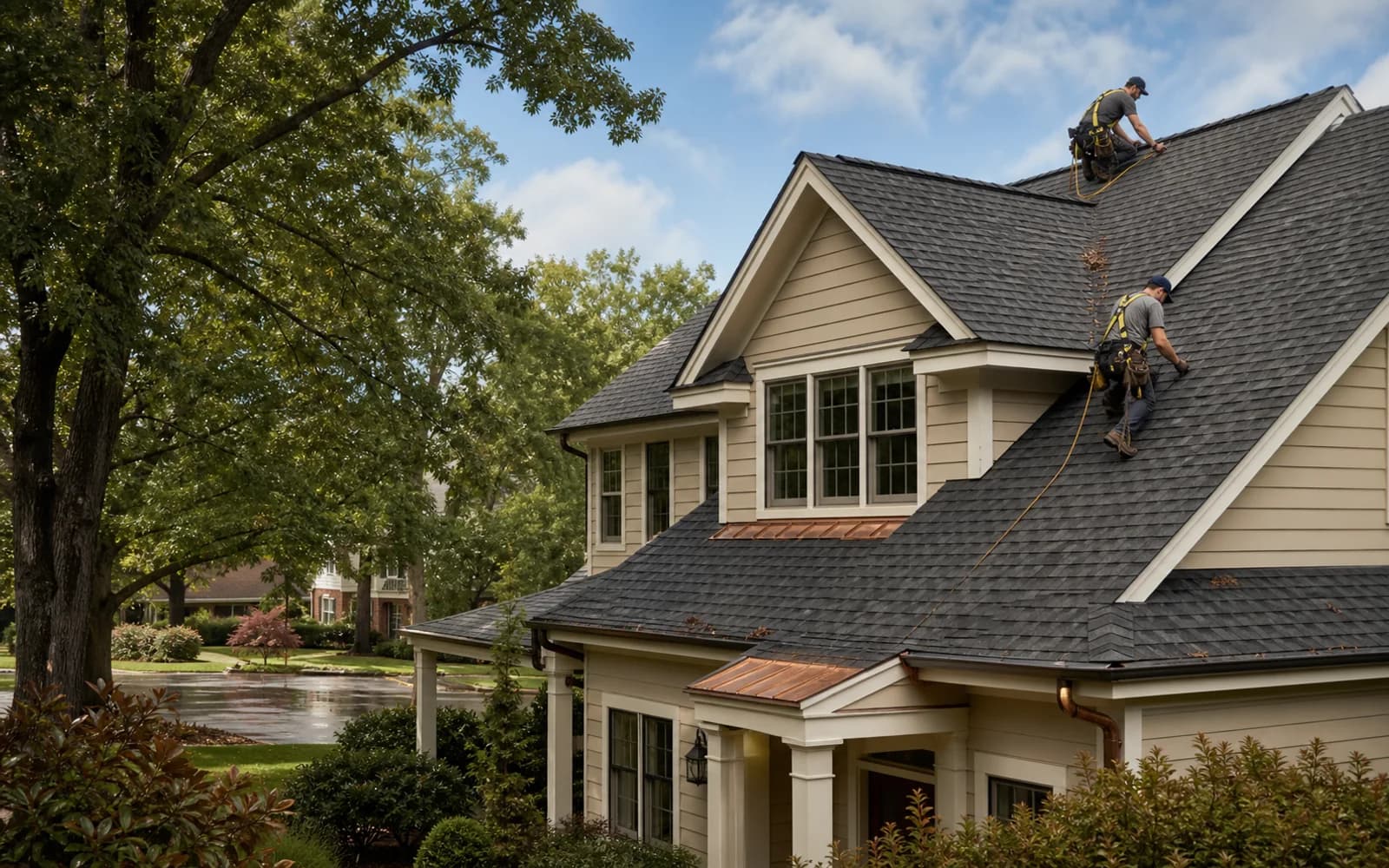
Raleigh roofing crew preparing a residential roof for a complete replacement
40–70 yrsPotential service life24–26 gaCommon steel rangeFull-systemReplacement planning

System-level service

Metal Roof Replacement that accounts for the whole roof

Good roofing work connects field materials to edges, transitions, penetrations, ventilation, drainage, structure, and the property below.

01

Confirming replacement is the right scope

A few leaking fasteners or a failed boot do not always require a full replacement. We review panel condition, seams, coatings, edge attachment, penetrations, substrate, and previous repairs to distinguish isolated failures from system-wide deterioration.

  • Panel and seam condition review
  • Fastener and clip observations
  • Repair-versus-replacement findings
02

Designing the new metal roof assembly

Panel profile, metal thickness, clip type, seam height, underlayment, ventilation, and attachment must match the roof slope, geometry, deck, and wind exposure. Those decisions are documented before material is ordered.

  • Standing-seam or exposed-fastener options
  • Thermal-movement planning
  • Underlayment and separation layers
03

Replacing flashings and transitions

Valleys, eaves, rakes, ridges, sidewalls, chimneys, skylights, and pipe penetrations are part of the replacement—not accessories to reuse by default. New details should direct water while allowing the metal to expand and contract.

  • Custom-formed edge and wall trim
  • Penetration-specific flashings
  • Controlled tear-off and weather protection

Materials & methods

Details selected for the assembly

Compatibility, exposure, roof geometry, installation method, and manufacturer requirements guide material selection.

01

Standing-seam steel

Concealed clips and raised seams create a clean water-shedding system when panel dimensions, seam type, coating, and attachment are coordinated.

02

High-temperature underlayment

Metal panels can reach elevated surface temperatures. The selected underlayment and any self-adhered membrane must be approved for the assembly and exposure.

03

Clips, fasteners, and trim

Corrosion-resistant attachment and correctly formed trim allow controlled movement while securing perimeter and corner conditions.

From concern to scope

What to expect from the assessment

We begin with the symptoms and property context, then work through the roof in a repeatable order. Findings are explained in plain language so you can compare the proposed work—not just the final number.

  1. 1Property context Age, known history, prior repairs, interior symptoms, access, and project goals.
  2. 2Roof observations Field condition, edges, flashings, penetrations, drainage, ventilation, and transitions.
  3. 3Written options Recommended work, materials, assumptions, exclusions, cleanup, and concealed conditions.

Related roofing expertise

Explore the closest repair, replacement, and material options before deciding which scope fits the roof.

Service questions

Metal Roof Replacement FAQ

Use these answers to prepare for an assessment and compare written recommendations.

When should a metal roof be replaced instead of repaired?+

Replacement may be more predictable when corrosion, seam failure, coating loss, widespread fastener problems, incompatible prior repairs, or wet substrate conditions affect large portions of the roof.

Can a new metal roof be installed over the old roof?+

Sometimes, but the existing layers, deck condition, moisture, attachment, roof geometry, manufacturer instructions, and applicable requirements must be evaluated before that approach is selected.

Should I switch from exposed-fastener panels to standing seam?+

Standing seam hides primary fasteners and better accommodates movement, but roof slope, geometry, budget, substrate, and detail complexity should guide the comparison.

What should a metal roof replacement estimate include?+

Look for panel profile and thickness, coating, tear-off assumptions, underlayment, clips or fasteners, all flashings, ventilation, deck terms, disposal, protection, and warranty documentation.

A clear next step

Get a roof plan that makes sense before the work begins.

Start with a straightforward conversation, documented findings, and a written estimate—without pressure or vague allowances.